A healthy smile is not built in a single visit. It develops over time through daily habits, smart decisions, and consistent care. What works for a toddler is very different from what works for a teenager, and those needs continue to evolve well into adulthood and beyond.
The good news is that most dental issues are preventable with the right approach. By understanding what your teeth and gums need at each stage of life, you can avoid common problems, reduce long-term costs, and maintain both function and confidence in your smile.
Whether you’re caring for a child, managing your own oral health, or helping an aging parent, the goal is simple: build habits that last and prevent issues before they start.
Laying the Foundation in Early Childhood

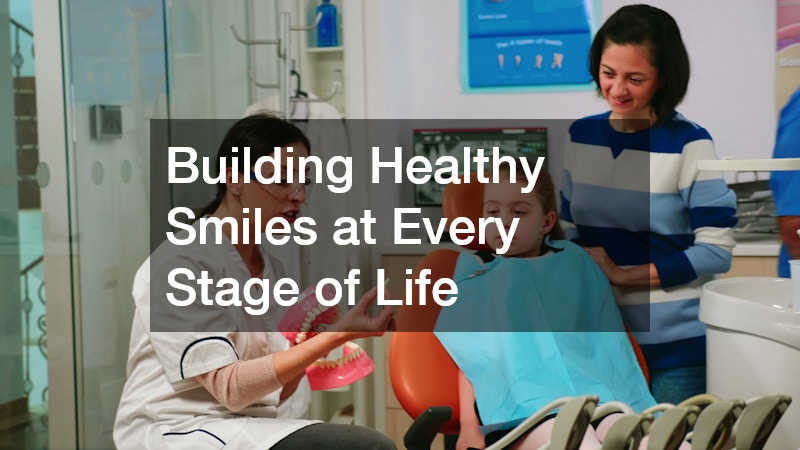
The earliest years set the tone for a lifetime of oral health. Many parents wait too long to introduce dental care, but early exposure plays a major role in preventing fear and establishing routine.
A pediatric dentist is trained specifically to work with young patients, making visits more comfortable and effective. Choosing a dentist for kids who understands child behavior can make all the difference in how your child perceives dental care moving forward.
When to start:
- First visit by age one or when the first tooth appears
- Earlier visits if there are concerns about development or feeding habits
How to create a positive experience:
- Use simple, reassuring language before the visit
- Avoid framing dental care as something scary or painful
- Let your child observe a sibling or parent going first if possible
At-home habits to build early:
- Brush twice daily using a soft brush and a rice-sized amount of toothpaste
- Transition to a pea-sized amount as your child grows
- Begin flossing once teeth start touching
Nutrition matters more than most people realize:
- Limit sugary drinks, especially before bed
- Encourage water as the default beverage
- Avoid frequent snacking, which exposes teeth to constant acid attacks
Watch for early warning signs:
- White spots on teeth (early decay)
- Sensitivity when eating or drinking
- Difficulty chewing or favoring one side
Building these habits early reduces the likelihood of cavities and helps children grow up viewing dental care as a normal part of life, not something to avoid.
Positive reinforcement, such as praise or small rewards for consistent brushing and dentist visits, can motivate children to stick with good habits. Making dental care fun—through songs, colorful toothbrushes, or brushing charts—helps turn daily routines into enjoyable activities rather than chores. Parents can also model healthy behaviors by maintaining their own oral hygiene and attending regular dental checkups, demonstrating that caring for teeth is a lifelong priority. Over time, these shared routines foster confidence and self-sufficiency as children take greater ownership of their own oral health.
Making Dental Visits Routine, Not Reactive
Many people still treat dental care as something to address only when there’s a problem. This reactive mindset often leads to more invasive treatments and higher costs.
Dentists consistently emphasize prevention because it works. A routine dental appointment is designed to catch small issues before they become major ones.
Why consistency matters:
- Cavities and gum issues often develop silently
- Early detection allows for simpler, less expensive treatment
- Preventive care reduces long-term damage
General visit guidelines:
- Every six months for most individuals
- More frequent visits if you have a history of gum disease or decay
What typically happens during a visit:
- Professional cleaning to remove plaque and tartar
- Examination of teeth, gums, and oral tissues
- X-rays when needed to detect hidden issues
How to stay on schedule:
- Book your next visit before leaving the office
- Set calendar reminders or recurring appointments
- Align family appointments on the same day for convenience
Long-term benefits of routine care:
- Lower risk of tooth loss
- Reduced need for major restorative procedures
- Better overall oral and systemic health
When visits become routine, they feel less like an interruption and more like a normal part of maintaining your health.
Over time, this consistency builds familiarity and trust with your dental care team, making it easier to discuss concerns and receive personalized guidance. Regular appointments also provide an opportunity to catch subtle changes—such as shifting bite patterns, early signs of gum issues, or wear from grinding—that might otherwise go unnoticed. In addition, establishing a predictable schedule helps reduce anxiety, especially for those who may feel uneasy about dental care, by creating positive, low-stress experiences year after year.
Navigating Teen Years with Confidence
The teenage years bring new challenges, from orthodontic concerns to lifestyle habits that can impact oral health. This is also when independence starts to take shape, making it critical to reinforce responsibility.
Clear aligners have become a popular option for teens who want a more discreet way to straighten their teeth. They offer flexibility but require discipline to be effective.
At the same time, many teens participate in sports or physical activities, increasing the need for protection. A dental mouth guard is one of the simplest ways to prevent serious injuries.
Common concerns during adolescence:
- Misalignment or crowding
- Increased consumption of sugary or acidic drinks
- Skipping or rushing brushing routines
Supporting better habits:
- Encourage brushing and flossing without constant reminders
- Help teens understand the long-term impact of neglect
- Provide tools that make routines easier, like electric toothbrushes
Orthodontic considerations:
- Evaluate early if alignment issues are present
- Discuss lifestyle compatibility when choosing treatment
- Emphasize consistency with wear time
Sports protection:
- Use a properly fitted mouth guard during contact sports
- Replace it as needed to ensure proper fit
- Store and clean it correctly to prevent bacteria buildup
Helping teens connect daily habits with long-term outcomes can make them more invested in maintaining their oral health.
Understanding the Role of Restorative Care
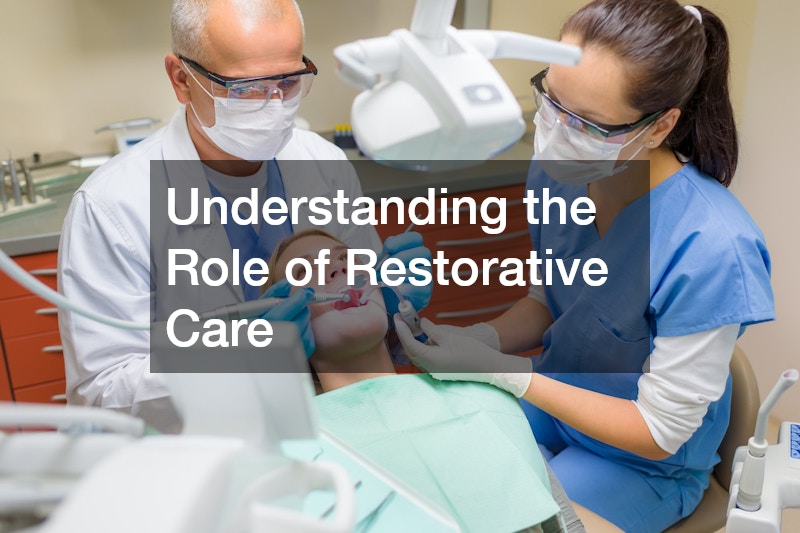
Even with the best habits, issues can still arise. When they do, early intervention is key to preserving as much natural tooth structure as possible.
Dental fillings are one of the most common treatments used to repair damage caused by decay. They are most effective when problems are caught early.
Choosing the right dental offices can influence not only the quality of care but also your comfort during treatment.
Signs you may need restorative care:
- Tooth sensitivity to hot, cold, or sweets
- Visible holes or dark spots on teeth
- Pain when biting or chewing
What to expect during treatment:
- Removal of decayed material
- Cleaning and preparation of the affected area
- Placement of a filling to restore function
How to choose the right provider:
- Look for a focus on patient comfort and clear communication
- Ask about materials and treatment options
- Consider reviews and recommendations
Aftercare tips:
- Avoid hard or sticky foods immediately after treatment
- Maintain regular brushing and flossing
- Follow up if discomfort persists
Addressing issues early prevents them from escalating into more complex procedures like crowns or root canals.
Prioritizing Gum Health Before Problems Escalate
Gum health is often overlooked until symptoms become severe, but it plays a critical role in overall oral health. Ignoring early signs can lead to long-term complications.
Periodontal care focuses on preventing and treating gum disease, which can progress silently if left untreated.
Early warning signs to watch for:
- Bleeding when brushing or flossing
- Swollen or tender gums
- Persistent bad breath
Daily habits that protect your gums:
- Brush gently but thoroughly along the gumline
- Floss daily to remove debris between teeth
- Use an antimicrobial mouthwash if recommended
Professional care options:
- Deep cleaning procedures to remove buildup below the gumline
- Ongoing maintenance visits for those with a history of gum disease
Why early action matters:
- Prevents gum recession
- Reduces risk of tooth loss
- Supports overall health, as gum disease has been linked to systemic conditions
Taking gum health seriously early on can save you from more invasive treatments later.
Exploring a Whole-Body Approach to Oral Health
Some patients are looking for a broader perspective on dental care that considers how oral health connects to overall wellness.
A holistic dentist may focus on materials, treatment methods, and preventive strategies that align with whole-body health principles.
What this approach often includes:
- Minimizing exposure to certain materials
- Emphasizing prevention and natural healing when possible
- Considering the impact of oral health on the rest of the body
Questions to ask when exploring this option:
- What materials are used in treatments?
- How are treatment decisions made?
- What preventive strategies are emphasized?
When it may be a good fit:
- Patients with sensitivities or specific health concerns
- Those interested in alternative approaches to care
- Individuals seeking a more integrated perspective
While this approach isn’t necessary for everyone, it can be a valuable option depending on your preferences and needs.
Maintaining Strong Smiles Through Adulthood
As you move through adulthood, the focus shifts from development to maintenance and prevention of wear and tear.
Regular visits to the dentist help monitor changes over time, from enamel wear to shifting alignment.
Common concerns in adulthood:
- Tooth sensitivity
- Grinding or clenching, often stress-related
- Discoloration from diet or lifestyle habits
Practical ways to maintain your smile:
- Continue consistent brushing and flossing routines
- Address grinding with appropriate solutions
- Limit staining foods and beverages
Balancing health and appearance:
- Consider treatments that improve both function and aesthetics
- Avoid overcorrecting cosmetic concerns at the expense of long-term health
Building a long-term relationship with a provider:
- Choose someone who understands your history
- Communicate openly about concerns and goals
- Stay proactive rather than reactive
Consistency during these years lays the groundwork for healthier aging.
Adapting Care for Aging Smiles
Oral health needs continue to evolve later in life, often influenced by medications, health conditions, and natural aging processes.
Dental offices that prioritize accessibility and patient comfort can make a significant difference for older adults.
Common challenges:
- Dry mouth caused by medications
- Gum recession and increased sensitivity
- Tooth wear or loss
How to manage these changes:
- Stay hydrated and use products designed for dry mouth
- Use softer brushes and gentler techniques
- Maintain regular checkups to monitor changes
Coordinating care:
- Share medical history with your provider
- Discuss how medications may impact oral health
- Work with providers who understand these connections
Comfort and accessibility considerations:
- Look for offices that accommodate mobility needs
- Consider appointment timing and transportation logistics
Proactive care can help maintain comfort and function well into later years.
Building Daily Habits That Actually Stick
The best dental care plan is the one you can follow consistently. Complex routines often fail because they’re difficult to maintain.
A regular dentist appointment can help keep you accountable, but daily habits are what make the biggest difference.
How to build a sustainable routine:
- Keep it simple and consistent
- Use tools that make the process easier
- Attach habits to existing routines, like brushing after breakfast and before bed
Helpful tools:
- Electric toothbrushes for more effective cleaning
- Floss picks for convenience
- Water flossers for those who struggle with traditional floss
Staying consistent with a busy schedule:
- Travel kits to maintain routines on the go
- Setting reminders or alarms
- Keeping supplies easily accessible
Teaching habits across generations:
- Lead by example within your household
- Make routines part of family time
- Reinforce positive behavior rather than focusing on mistakes
Consistency beats perfection. Small daily actions add up over time.
Preventing Emergencies Before They Happen
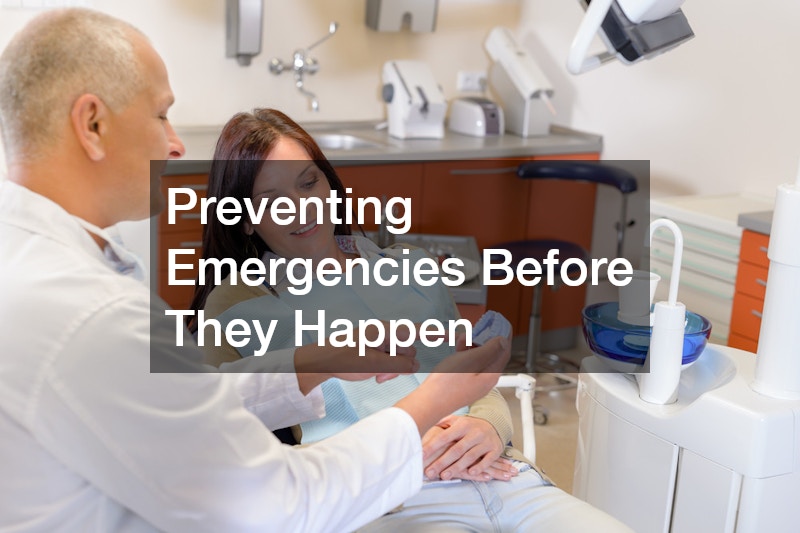
Dental emergencies are often preventable with the right precautions. Taking a proactive approach can save time, money, and discomfort.
A dental mouth guard is one of the most effective tools for preventing injuries during physical activity or even nighttime grinding.
Common preventable emergencies:
- Chipped or broken teeth
- Knocked-out teeth during sports
- Damage from grinding or clenching
Protective strategies:
- Wear a mouth guard during high-risk activities
- Avoid using teeth as tools to open packages
- Address grinding early with professional guidance
When to seek immediate care:
- Severe pain or swelling
- A knocked-out or loose tooth
- Signs of infection
Basic emergency kit:
- Gauze and a small container
- Pain relief options
- Contact information for your provider
Being prepared and taking preventive steps can reduce the likelihood of serious issues.
Healthy smiles are built over time through consistent habits, informed decisions, and proactive care. Each stage of life brings its own challenges, but the core principles remain the same: prevention, consistency, and early action.
By focusing on what your teeth and gums need today while planning for the future, you can maintain both function and confidence in your smile for years to come.