Maintaining optimal oral health requires a comprehensive, lifelong approach that extends far beyond daily brushing and flossing. A truly effective preventive framework relies on early intervention, routine professional evaluations, advanced restorative techniques, and a seamless integration between clinical expertise and operational excellence. By focusing on proactive wellness, individuals can protect their natural teeth, preserve structural jaw bone density, and prevent minor oral health issues from developing into complex, painful conditions.
At the same time, the modern landscape of oral healthcare relies on a sophisticated infrastructure of specialized professionals, advanced technologies, and dedicated clinical environments. From precision manufacturing facilities to specialized financial management, every element of the healthcare ecosystem plays a role in delivering consistent, high-quality outcomes. This comprehensive blueprint explores the key dimensions of proactive oral hygiene, advanced restorative treatments, and the structural foundation supporting modern healthcare delivery.
1. Establishing Strong Foundations with Daily Preventive Hygiene
The primary line of defense against tooth decay, periodontal disease, and systemic inflammation begins with consistent daily oral hygiene. Developing a meticulous home care regimen ensures the daily removal of plaque—a sticky biofilm containing bacteria that metabolize dietary sugars into damaging acids. Over time, unremoved plaque calcifies into hard tartar, which can only be removed using specialized clinical instruments.
Incorporate these core habits into your daily routine to maintain clean surfaces and healthy gum tissue:
-
Brush Twice Daily with Fluoride: Use a soft-bristled toothbrush or an oscillating electric model at a 45-degree angle to the gumline for at least two full minutes.
-
Floss Interdentally Every Day: Thread dental floss gently between every tooth pair to disrupt plaque accumulation where toothbrush bristles cannot reach.
-
Incorporate Antimicrobial Rinses: Utilize alcohol-free, therapeutic mouthwashes to eliminate lingering bacteria and strengthen tooth enamel.
-
Clean the Tongue: Scrape the surface of the tongue daily to reduce oral bacterial loads and maintain fresh breath.
Prioritizing preventative habits ensures long-term preservation of natural enamel while reducing the frequency of invasive interventions. Investing minimal effort into routine self-care pays significant dividends in overall wellness over a lifetime.
2. The Vital Role of Routine Professional Examinations
While home care is essential, even the most diligent personal hygiene cannot replace professional clinical evaluations. Regular checkups allow clinicians to detect subtle signs of micro-cavities, soft tissue abnormalities, and early-stage gum inflammation before symptoms become noticeable or painful. Dental care simplifies treatment plans, making interventions less invasive and significantly more cost-effective.
A thorough professional checkup offers several crucial preventive advantages:
-
Professional Prophylaxis: Specialized scaling tools remove stubborn calculus and polished surface stains that regular brushing misses.
-
Low-Radiation Digital Radiographs: High-resolution digital imaging exposes subterranean decay, impacted wisdom teeth, and bone loss invisible to the naked eye.
-
Periodontal Pocket Mapping: Measuring the depth of gum tissue pockets surrounding each tooth helps identify early-stage gingivitis or periodontitis.
-
Oral Cancer Screening: Visual and tactile examinations of soft tissues help spot cellular changes early when treatment success rates are highest.
By scheduling routine checkups every six months, patients ensure continuous oversight of their oral health. Consistent monitoring catches minor structural issues early, preserving natural tooth anatomy and preventing sudden emergencies.

3. Comprehensive Solutions Across Generations Through Lifetime Care
Oral health requirements evolve continuously from childhood through senior years. Children require protective treatments like dental sealants and fluoride applications to safeguard developing permanent teeth. Adults often require structural restorations, bite alignment, or stress-related bruxism management. Seniors frequently deal with age-related enamel wear, receding gums, dry mouth caused by medications, and tooth loss challenges.
Partnering with a reliable family dentistry team guarantees that every family member receives personalized, age-appropriate attention under one roof. Having a dedicated team that tracks your oral health history across generations ensures seamless continuity, fosters open communication, and helps minimize dental anxiety for younger patients.
-
Pediatric Prevention: Gentle cleanings, dietary guidance, and protective sealants establish positive lifelong hygiene habits early.
-
Adult Maintenance: Custom night guards, teeth whitening, clear aligner alignment, and routine deep cleanings preserve adult smiles.
-
Geriatric Restorations: Specialized care addresses root caries, xerostomia management, and stable denture fittings for older adults.
Having a familiar clinical team reduces stress and ensures consistent, personalized care over decades. Long-term relationship building allows providers to anticipate changes in your health profile and adapt preventive strategies accordingly.
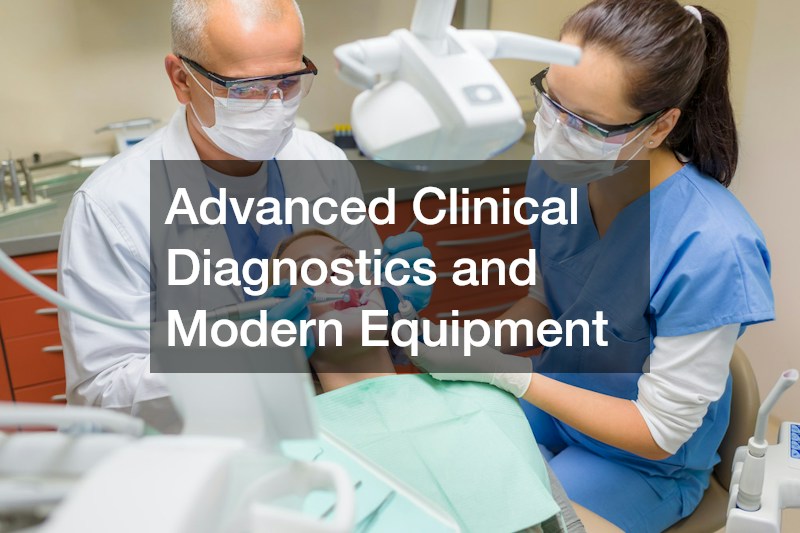
4. Advanced Clinical Diagnostics and Modern Equipment
The integration of modern diagnostic technology has revolutionized how clinical teams identify and treat oral pathology. Traditional exploratory methods have given way to digital scanners, three-dimensional imaging, and soft-tissue lasers that maximize patient comfort while dramatically increasing diagnostic accuracy. These advances allow clinicians to craft highly precise treatment plans with minimal guesswork.
Modern clinical environments offer access to a diverse array of specialized treatment modalities:
-
Cone Beam Computed Tomography (CBCT): Provides 3D volumetric images of jawbone structures, nerve pathways, and nasal cavities for precise surgical mapping.
-
Intraoral Digital Cameras: Generates high-definition, real-time images of individual teeth, allowing patients to view areas of concern alongside their clinician.
-
Computer-Aided Design Systems: Enables rapid digital impressions that eliminate messy traditional molding trays while improving restoration accuracy.
Accessing comprehensive dental practice services equips clinicians to handle everything from routine preventive care to complex surgical reconstructions efficiently. Embracing modern technological standards ultimately results in shorter appointment times, faster recovery periods, and highly predictable long-term clinical outcomes.
5. Restoring Function and Aesthetics with Modern Crown and Arch Bridges
When a patient suffers from partial tooth loss or severe structural damage, leaving empty spaces unattended can lead to significant oral health complications. Adjacent teeth naturally drift into vacant gaps, altering the bite alignment, causing uneven wear, and leading to temporomandibular joint (TMJ) strain. Restoring complete arch integrity is crucial for proper chewing function and clear speech articulation.
Utilizing custom-crafted dental bridges offers a durable, highly aesthetic method for replacing missing teeth by anchoring realistic replacement teeth to adjacent natural support teeth or posts. This time-tested restorative approach restores natural bite distribution and prevents neighboring teeth from shifting out of position.
-
Traditional Fixed Solutions: Anchors artificial pontics to natural adjacent teeth protected by custom prosthetic crowns.
-
Cantilever Designs: Supports artificial teeth anchored on only one side when adjacent teeth are only present on one side of the gap.
-
Resin-Bonded Frameworks: Uses discreet metal or porcelain wings bonded to the backs of adjacent teeth for minimal structural alteration.
-
Implant-Supported Frameworks: Spans multi-tooth gaps securely without requiring structural modifications to surrounding natural teeth.
Selecting the right bridge design restores chewing force while maintaining balanced facial symmetry. Protecting bite alignment ensures that surrounding natural structures remain healthy and functional for years to come.
6. Permanent Tooth Replacement with Modern Implants
For patients seeking the most natural, durable, and permanent solution for missing teeth, modern surgical techniques provide options that mirror natural tooth anatomy from root to crown. Unlike removable appliances or surface-level bridges, subterranean post integration interacts directly with natural jawbone tissue, offering unmatched stability and long-term comfort.
Choosing modern teeth implants provides a life-changing restoration option that stops bone absorption. By placing biocompatible titanium or zirconia posts directly into the jawbone, these restorations act as artificial roots, stimulating bone tissue and preserving facial structure over time.
-
Preservation of Bone Density: Prevents the natural jawbone loss that typically follows tooth loss by providing direct mechanical stimulation.
-
Protection of Adjacent Teeth: Replaces missing units independently without grinding down healthy surrounding enamel for support.
-
High Success Rates: Advanced surgical protocols and digital planning lead to long-term success rates exceeding 95 percent.
-
Natural Function and Appearance: Restores complete chewing power and provides an aesthetic finish that blends seamlessly with natural enamel.
Investing in permanent root replacement restores full oral functionality and self-confidence. With diligent home care and routine checkups, implant-supported restorations can easily last a lifetime.
7. Precision Craftsmanship Behind Custom Prosthetics
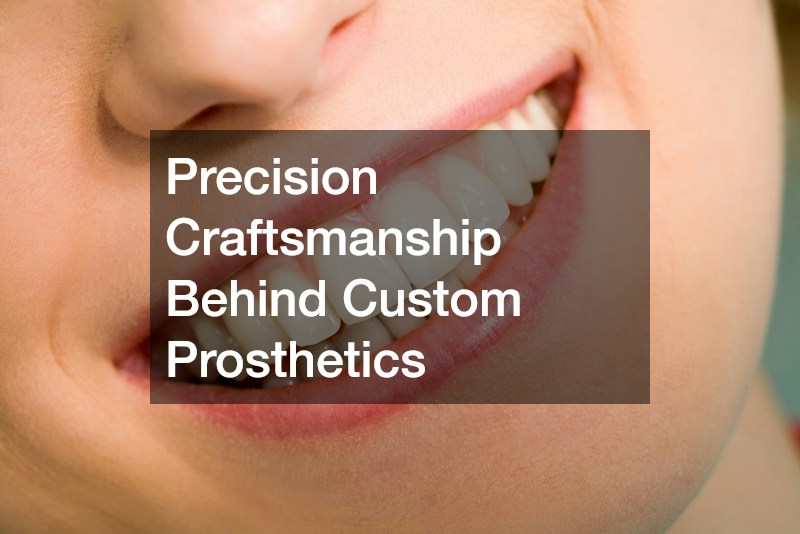
Behind every successful cosmetic restoration, crown, or custom arch replacement lies meticulous craftsmanship provided by skilled dental technicians. While patients interact directly with their attending clinician, the physical fabrication of custom crowns, veneers, and alignment appliances takes place in specialized manufacturing facilities behind the scenes.
Partnering with a state-of-the-art dental laboratory ensures that every prosthetic appliance is engineered with extreme precision, biocompatible materials, and exact color-matching techniques. Technician artists utilize high-precision milling machines, specialized ceramic furnaces, and 3D printers to turn digital impressions into durable, natural-looking restorations.
-
Shade and Texture Matching: Layering fine porcelain ceramics to match the natural translucency, characterization, and color of existing teeth.
-
Digital CAD/CAM Milling: Utilizing computer-guided mills to carve restorations from solid blocks of high-strength zirconia or lithium disilicate.
-
Custom Appliance Fabrication: Creating customized mouthguards, splints, and orthodontic retainers tailored precisely to individual digital models.
-
Quality Assurance Audits: Inspecting margin fits under high magnification to guarantee smooth seals that prevent secondary decay.
The partnership between clinical providers and laboratory technicians ensures that custom restorations look natural, fit comfortably, and withstand years of daily use. Exceptional indirect craftsmanship is essential for achieving lasting restorative success.
8. Financial Management and Strategic Practice Operations
Operating a successful healthcare facility requires balancing clinical excellence with sound financial management and business administration. Behind every smooth patient experience is a complex business structure handling equipment financing, payroll, regulatory compliance, tax optimization, and insurance processing. Maintaining financial health allows clinical teams to invest continuously in cutting-edge equipment and top-tier staff.
Enlisting a specialized dental cpa provides facility owners with industry-specific financial guidance tailored to the unique economic dynamics of medical practices. Specialized accountants help clinicians optimize cash flow, manage practice acquisition debt, leverage equipment depreciation tax credits, and structure sound retirement plans.
-
Practice Performance Analytics: Tracking production ratios, overhead percentages, and hygiene collection metrics against national benchmarks.
-
Tax Optimization Strategies: Utilizing specialized credits and deductions for capital purchases, research, and facility improvements.
-
Embezzlement and Risk Mitigation: Establishing internal accounting controls to protect practice revenue and maintain audit readiness.
-
Transition and Succession Planning: Structuring business sales, partnership buy-ins, or associate expansions for maximum tax efficiency.
Maintaining solid financial stability allows healthcare providers to focus their primary energy on patient care and clinical innovation. Strategic business oversight ensures long-term operational resilience and practice growth.
9. Modern Architectural Design for Optimal Patient Experiences
The physical environment of a healthcare facility plays a significant role in reducing patient anxiety, optimizing clinical workflows, and supporting strict infection control protocols. Modern clinical design balances welcoming, stress-reducing aesthetics in reception areas with highly functional, sterile, and technologically integrated treatment operatories.
Executing a successful buildout or major facility renovation requires hiring a expert dental office construction team that understands specialized medical infrastructure requirements. Professional builders handle complex plumbing configurations, high-voltage electrical demands, centralized vacuum systems, medical gas lines, and radiation shielding required for diagnostic imaging rooms.
-
Ergonomic Operatory Layouts: Designing treatment rooms that allow clinicians and assistants to move efficiently while maintaining easy access to tools.
-
Advanced Mechanical Infrastructure: Installing specialized air filtration systems, quiet compressor units, and high-volume suction plumbing beneath floors.
-
Acoustic Soundproofing: Incorporating sound-dampening wall panels and insulated doors to protect patient privacy and reduce operational noise.
-
ADA-Compliant Accessibility: Creating open hallways, wide doorways, and accessible restrooms that comfortably accommodate all patients.
A well-designed physical environment enhances workflow efficiency while making patients feel comfortable and safe. Thoughtful architectural choices reflect a practice’s commitment to quality care in every detail.
10. Elevating the Patient Experience Through Comprehensive Clinical Excellence
The ultimate goal of modern oral healthcare is to combine advanced technology, comfortable surroundings, and compassionate care into a seamless patient experience. When a practice prioritizes patient comfort, transparent communication, and evidence-based treatments, patients are far more likely to maintain their routine preventive appointments and stay proactive about their oral health.
Delivering an exceptional standard of care requires integrating various operational elements into a cohesive clinical workflow:
-
Transparent Treatment Planning: Using digital intraoral imagery and clear explanations to help patients make informed care decisions.
-
Flexible Financial Options: Offering structured payment plans, third-party financing, and clear insurance processing to make care accessible.
-
Comfort-Focused Amenities: Providing soothing treatment environments, gentle anesthesia options, and ergonomic chair padding to ease anxiety.
-
Comprehensive Care Delivery: Providing access to diverse dental service options under one roof to minimize the need for external specialist referrals.
When clinical excellence and dental services align, patients enjoy a stress-free environment that supports long-term oral health. Building a foundation of trust encourages consistent engagement with preventive care routines.
Achieving and maintaining a healthy, beautiful smile requires a lifelong commitment to proactive hygiene, routine professional care, and timely restorative interventions. By combining diligent personal habits with expert professional oversight, individuals can preserve their natural teeth, maintain healthy jaw structures, and protect their overall systemic health. Modern advancements in clinical technology, durable restorative materials, and precision craftsmanship have made maintaining oral health more efficient, comfortable, and predictable than ever before.
Behind every successful clinical outcome is a dedicated network of skilled professionals, specialized laboratory artisans, expert facility builders, and strategic business advisors working together seamlessly. When high-quality clinical care is supported by modern facility design and sound operational management, patients receive exceptional care at every visit. Prioritizing your oral health today safeguards your natural smile, preserves your quality of life, and ensures long-lasting wellness for years to come.