A healthy, confident smile is more than just a cosmetic asset—it is a critical part of overall wellness. From children to seniors, maintaining optimal oral health requires a combination of preventive care, restorative treatments, and cosmetic enhancements. Comprehensive dental services provide a holistic approach that addresses all these needs under one roof. Many people underestimate how essential routine dental care is for preventing long-term issues, such as gum disease, tooth decay, and structural damage. By understanding the full range of available treatments and the importance of timely interventions, patients can enjoy stronger teeth, fewer emergencies, and an improved quality of life.
Modern dentistry has evolved to meet the diverse needs of families and individuals, offering everything from preventive exams and cleaning services to advanced restorative solutions and cosmetic enhancements. Innovations in dental technology have made treatments more effective, comfortable, and accessible than ever. For instance, sedation dentists ensure that patients with dental anxiety can receive necessary procedures without stress, while cosmetic procedures allow for aesthetic improvements without compromising oral health.
Equally important is the role of family dentists in fostering lifelong oral care habits. Regular visits and guidance from a trusted professional can prevent minor issues from escalating into major problems, saving both time and money. Understanding these options empowers patients to make informed decisions that suit their lifestyles, budgets, and long-term oral health goals. In this article, we will explore the key services offered by dental professionals, how they address common dental challenges, and tips for maintaining a healthy, radiant smile at any age.
Restoring Strength and Function to Your Smile
Dental crowns are a cornerstone of restorative dentistry, providing both protection and structural support to damaged or weakened teeth. When a tooth suffers from decay, cracks, or extensive fillings, a dental crown acts as a durable cap that restores its natural shape and function. Crowns are available in a variety of materials, including porcelain, ceramic, and metal alloys, allowing dentists to balance aesthetics and strength.
Beyond repairing damage, dental crowns also help maintain proper bite alignment. Without them, neighboring teeth may shift, leading to further oral complications. In addition, crowns are instrumental after root canal procedures, as they shield the treated tooth from fracture. Modern techniques ensure that crowns are custom-fitted to match the patient’s bite and natural tooth color, blending seamlessly into the smile.
Proper care is essential for maximizing the lifespan of dental crowns. Daily brushing, flossing, and regular visits to your dental office help prevent decay around the crown margins and maintain gum health. With advancements in dental technology, these restorations can last decades, making them a reliable solution for long-term oral health.
Finding the Right Oral Care for Every Family Member
Family dentists play a pivotal role in maintaining oral health across all age groups. These professionals are trained to treat patients ranging from young children to elderly adults, ensuring that every family member receives personalized care. A family dentist is often the first point of contact for preventive care, routine checkups, and treatment planning. Choosing the right family dentist can set the stage for effective lifelong dental health management.
They also help educate families on oral hygiene practices, dietary choices, and habits that impact dental health. For children, early intervention can prevent the development of cavities, misaligned teeth, and other long-term issues. For adults, family dentists coordinate care for complex needs such as orthodontics, restorative procedures, and cosmetic enhancements. By tailoring their approach to each individual’s needs, family dentists can offer solutions that are both practical and beneficial.
Establishing a relationship with a family dentist creates continuity of care, allowing the practitioner to track changes in oral health over time. This holistic approach reduces the likelihood of emergency visits and ensures that preventive measures are consistently applied. Whether managing pediatric dental care or monitoring age-related dental concerns, family dentists provide a foundation for a lifetime of healthy smiles. Moreover, the trust and familiarity built over the years can make dental visits a positive experience for all family members.
Solutions for Missing or Damaged Teeth
Dental bridges offer an effective solution for replacing one or more missing teeth. These prosthetic devices consist of crowns on either side of the gap, with a false tooth suspended between them. By restoring the continuity of the dental arch, bridges improve both function and aesthetics. This approach not only addresses the immediate issues but also contributes to overall dental stability. Patients have noted significant improvements in both their ability to chew and their overall confidence in their smile after receiving dental bridges.
Bridges help patients chew more efficiently and speak clearly, while also preventing adjacent teeth from shifting out of alignment. Materials for dental bridges vary from porcelain fused to metal to full ceramic, allowing for both durability and a natural appearance. The process usually involves careful evaluation and preparation of the surrounding teeth to ensure a precise fit. Advancements in dental technology have further enhanced the efficacy and appearance of these prosthetic solutions. Innovative techniques ensure that modern bridges harmonize seamlessly with the surrounding natural environment.
With proper maintenance, including regular brushing, flossing, and professional dental exams, bridges can last many years. Patients considering bridges benefit from consulting with their dentist about the most suitable type and material based on oral health, lifestyle, and cosmetic goals. An informed choice regarding bridges can enhance both confidence and quality of life. Furthermore, understanding the maintenance requirements can help extend the lifespan of the prosthetics significantly.
Full Range of Treatments to Maintain Oral Health
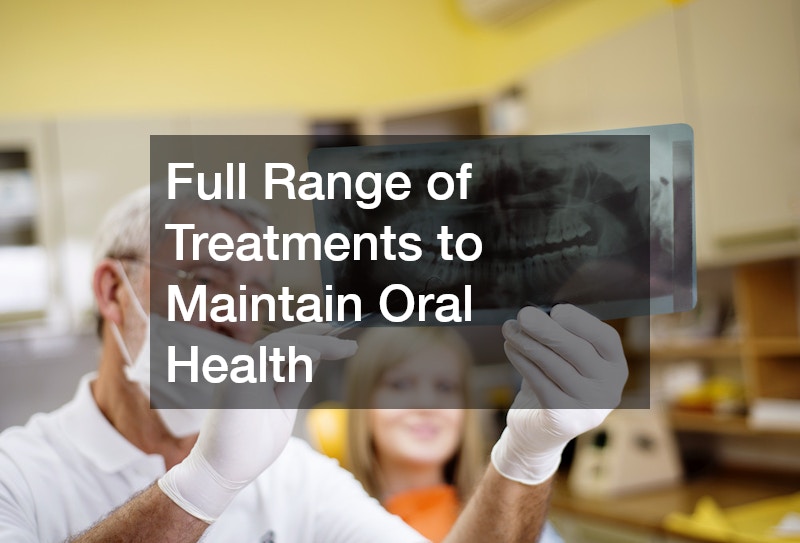
A comprehensive approach to oral health involves a wide array of dental services, each addressing specific aspects of care. From preventive measures to advanced restorative and cosmetic procedures, dental services offer treatments designed to meet the needs of diverse patient populations. This holistic approach not only addresses immediate dental concerns but also prevents future complications.
Preventive services include routine checkups, cleanings, and fluoride treatments, which help reduce the risk of cavities and gum disease. Restorative options such as crowns, bridges, and fillings repair damage and restore function. Cosmetic procedures, including teeth whitening and veneers, enhance appearance without compromising health. Combining various treatments can provide comprehensive solutions tailored specifically to individual dental health needs.
Many dental offices also provide specialized services such as sedation for anxious patients, emergency care, and periodontal treatments. By offering a full spectrum of dental services, practitioners ensure patients receive coordinated care that addresses immediate concerns while promoting long-term oral health. This coordinated care approach often leads to more efficient treatments and better overall patient satisfaction.
Keeping Your Teeth Clean and Healthy Regularly
Routine dental exams and cleaning services are fundamental to maintaining oral health. These visits allow dentists to detect early signs of decay, gum disease, and other potential issues before they escalate. Cleanings remove plaque and tartar buildup, which cannot always be eliminated with regular home care alone. These preventive measures play a critical role in avoiding more extensive dental treatments in the future.
During exams, dentists assess bite alignment, oral tissues, and overall dental condition. Preventive recommendations, including brushing techniques, flossing tips, and dietary advice, are tailored to each patient’s needs. For children, routine checkups establish healthy habits early, while adults benefit from ongoing monitoring of restorative work, crowns, and bridges. Parents are encouraged to bring their children to dental visits early to instill a strong dental hygiene routine.
Regular dental exams and cleaning services not only prevent disease but also improve long-term dental outcomes, reduce the need for complex procedures, and promote overall health by preventing infections that can affect other parts of the body. Consistency in dental care not only supports oral health but also correlates with improved physical well-being overall.
Immediate Care for Unexpected Dental Problems
Accidents, severe pain, or sudden dental trauma require prompt attention from an emergency dentist. Emergency dental care addresses urgent issues such as knocked-out teeth, severe toothaches, broken restorations, or injuries to the gums and oral tissues.
Delaying treatment can lead to complications, including infections, prolonged discomfort, and even permanent tooth loss. Emergency dentists are equipped to stabilize the situation, provide pain relief, and develop a follow-up plan for full recovery. Services may include temporary crowns, tooth reimplantation, suturing, and antibiotics.
Knowing when and how to contact an emergency dentist ensures rapid intervention, minimizing damage and preserving oral function. Many dental practices provide guidelines and after-hours options to help patients access care when unexpected issues arise.
Comfortable Options for Stress-Free Dental Procedures
For patients with dental anxiety or those undergoing complex procedures, sedation dentists provide a safe and effective way to minimize discomfort. Sedation dentistry can involve nitrous oxide (laughing gas), oral medications, or IV sedation, depending on the treatment and patient preference.
These options allow patients to remain relaxed or even sleep through lengthy procedures, such as root canals, extensive restorations, or multiple crowns. Sedation dentists are trained to monitor vital signs and ensure patient safety throughout treatment.
By reducing fear and discomfort, sedation dentistry encourages patients to complete necessary care, maintain regular checkups, and avoid delaying treatments that could lead to more serious issues. With the comfort of sedation dentistry, more individuals are empowered to overcome dental fears and receive the essential oral healthcare they need.
Enhancing Smiles with Expert Cosmetic Treatments
A cosmetic dentist specializes in procedures that improve the appearance of teeth, gums, and overall smile aesthetics. Services may include teeth whitening, veneers, bonding, and reshaping to correct discoloration, misalignment, or minor damage.
Cosmetic dentists combine artistry with dental science, ensuring that enhancements look natural while preserving oral health. Many patients choose cosmetic treatments to boost confidence and make positive impressions in social and professional settings.
These procedures are often integrated with other dental services, such as crowns or bridges, to ensure that functionality is maintained alongside improved aesthetics. Regular follow-ups and proper home care help sustain the results of cosmetic interventions over time. By choosing a skilled cosmetic dentist, patients benefit from striking, photogenic smiles that enhance their self-esteem and quality of life.
Tackling Plaque and Buildup for a Healthier Mouth
Deep cleaning is an advanced procedure designed to treat and prevent gum disease by removing plaque, tartar, and bacteria from below the gumline. Unlike standard cleanings, deep cleaning targets pockets where bacteria accumulate, helping prevent periodontal disease and tooth loss.
Dentists may recommend deep cleaning for patients with early signs of gum inflammation, bleeding gums, or recession. This procedure typically involves scaling and root planing to smooth tooth surfaces and encourage gum reattachment.
Following a deep cleaning, patients benefit from enhanced oral hygiene routines, regular exams, and maintenance cleanings. Consistent care ensures long-term oral health and reduces the risk of complications that could require more invasive interventions.
Brightening Your Smile Safely and Effectively

Teeth whitening is a popular cosmetic procedure that lightens discoloration caused by food, drinks, tobacco, or aging. Performed under the supervision of dental professionals, whitening treatments can achieve noticeable results while protecting enamel.
A cosmetic dentist evaluates the patient’s oral health before treatment, recommending the safest method, whether in-office bleaching, take-home trays, or over-the-counter options. Professional guidance ensures even results, prevents sensitivity, and minimizes potential side effects.
Teeth whitening can complement other dental services, such as crowns or veneers, for a uniform, radiant smile. Ongoing maintenance, including good oral hygiene and limiting stain-causing habits, helps prolong the effects of whitening treatments.
Comprehensive dental services are essential for maintaining healthy, functional, and attractive smiles at any age. By integrating preventive care, restorative solutions, and cosmetic enhancements, patients can address both immediate concerns and long-term oral health goals. Routine visits, including dental exams and cleaning services, form the foundation of preventive care, allowing early detection of decay, gum disease, and other dental issues.
Dental crowns and bridges provide reliable options for restoring damaged or missing teeth, while emergency dentists ensure that urgent problems are handled swiftly to prevent further complications. Sedation dentists make dental care accessible and stress-free for patients with anxiety or those undergoing complex procedures. Meanwhile, cosmetic treatments, such as teeth whitening, enhance aesthetics and boost confidence without compromising oral health.
Family dentists play a pivotal role in fostering lifelong oral care habits across generations, providing guidance, education, and personalized treatment plans. Deep cleaning and targeted preventive procedures further safeguard gum health and prevent the progression of periodontal disease.
Ultimately, maintaining a healthy smile requires a combination of professional expertise, regular care, and informed lifestyle choices. By leveraging the full spectrum of dental services and staying proactive about oral hygiene, patients can enjoy not only a radiant smile but also improved overall health. Comprehensive dental care ensures that smiles remain strong, functional, and beautiful at every stage of life, making it a vital component of long-term wellness.